How to Lower Your Flood Insurance Premium (Risk Rating 2.0)

You can lower a flood insurance premium under Risk Rating 2.0 by elevating the house (roughly 30% off per foot above Base Flood Elevation), adding flood vents, moving machinery above the flood level, raising your deductible (10% to 25%), and benefiting from a community CRS discount of up to 45%. An Elevation Certificate is no longer required but can still cut your rate.
Risk Rating 2.0 prices each property on its own characteristics, which means the things you do to your home actually move the number. This guide lists the levers in order of impact, separates the ones you control from the ones your community controls, and flags the one document that is no longer mandatory but still worth having.
How can I lower my flood insurance premium?
There are two categories of savings: physical mitigation that reduces your home's risk, and policy and community factors that adjust the price. The biggest reductions come from physical changes that move water away from your living space.
| Lever | Typical effect | Who controls it |
|---|---|---|
| Elevate above BFE | ~30% / ft | You |
| Flood vents / openings | varies | You |
| Elevate machinery & equipment | varies | You |
| Raise deductible | 10%–25% | You |
| Community CRS rating | up to 45% | Community |
Does elevating my house lower flood insurance?
Yes, and it is the strongest single lever. Raising the lowest floor one foot above BFE can reduce the annual premium by about 30%, and more height compounds the saving. That is the recurring benefit that makes a large elevation project pay back over time, particularly when a FEMA grant covers most of the upfront cost. Under Risk Rating 2.0, more policyholders now receive elevation credit than under the old system.
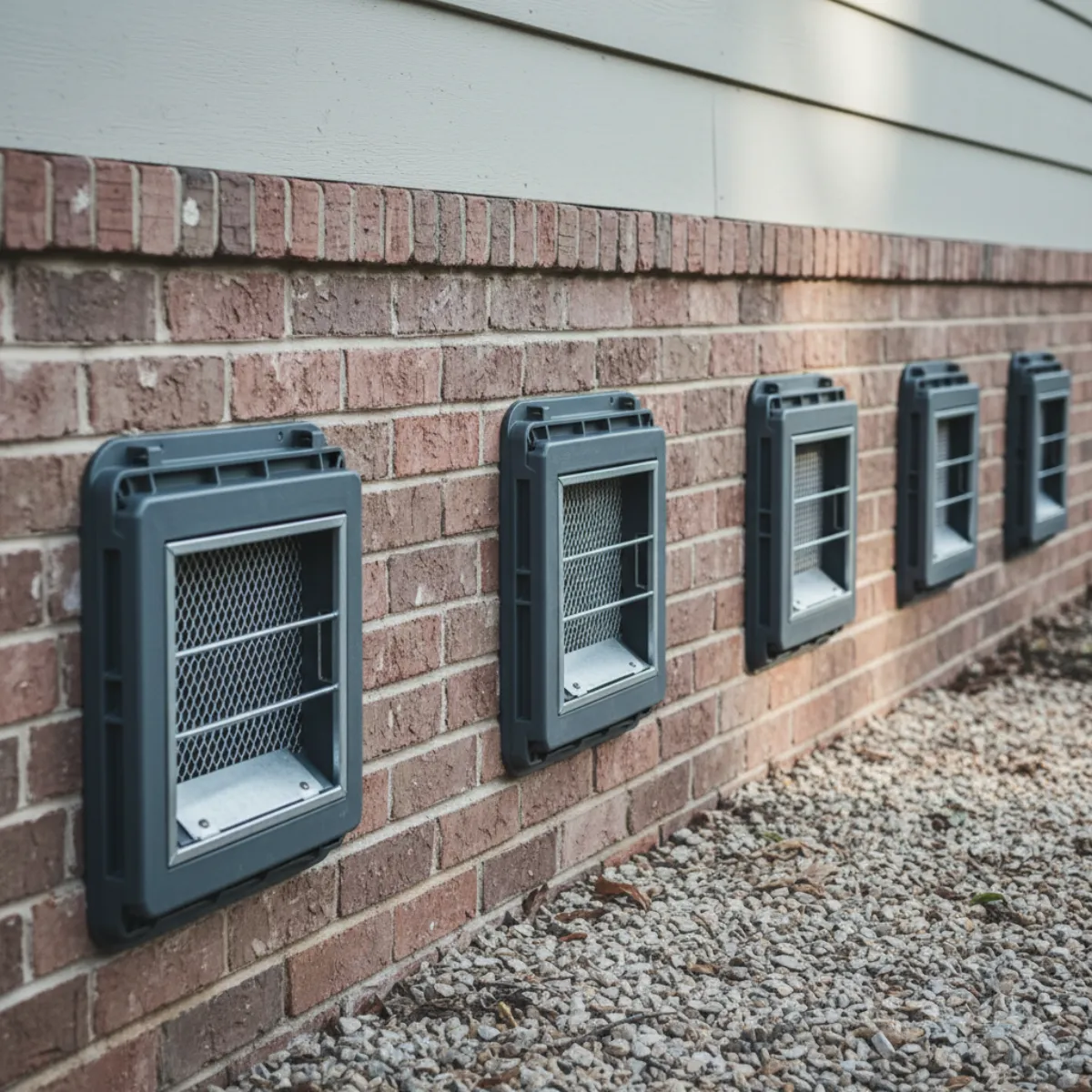
Do flood vents reduce my premium?
They can. Engineered flood openings let water flow through an enclosure so it does not build damaging pressure, which lowers the structural risk your premium is priced on. They are also far cheaper than elevation, running roughly $1,500 to $5,000 installed for a whole home. See flood vents cost for the details and NFIP requirements. Moving your furnace, water heater, and electrical panel above the expected flood level is another lower-cost credit worth asking your agent about.
What is the CRS discount?
The Community Rating System rewards communities that exceed minimum floodplain management standards. When your community participates and earns a strong rating, every NFIP policyholder in it can receive a discount of up to 45%. You do not apply for this individually, it comes from your community's actions, so it is worth knowing your town's CRS class.
Raising your deductible is the simplest policy lever. Moving from a $1,000 to a $5,000 or $10,000 deductible can cut the premium by 10% to 25%, depending on your risk. The tradeoff is more out-of-pocket exposure if you do file a claim.
Do I still need an elevation certificate under Risk Rating 2.0?
No, it is no longer required to buy a policy. FEMA now uses its own elevation data to rate properties. But an Elevation Certificate can still help you.
Put the savings against the cost
A premium reduction only matters next to what the mitigation costs. The honest way to decide is to weigh the upfront spend, any grant cost-share, and the annual saving together. Run your figures through the Payback Estimator to see the payback period, and read is flood mitigation worth it for the full damage-and-ROI picture. If a grant is in play, start with FEMA flood mitigation grants.
Frequently asked
How can I lower my flood insurance premium?
Do flood vents reduce my premium?
Does elevating my house lower flood insurance?
What is the CRS discount?
Do I still need an elevation certificate under Risk Rating 2.0?
Estimate your real number
Run your mitigation cost, current premium and flood-risk status through the Payback Estimator: net cost after grants, lower insurance, and the payback in years.