Do You Need an Elevation Certificate? (Risk Rating 2.0, 2026)
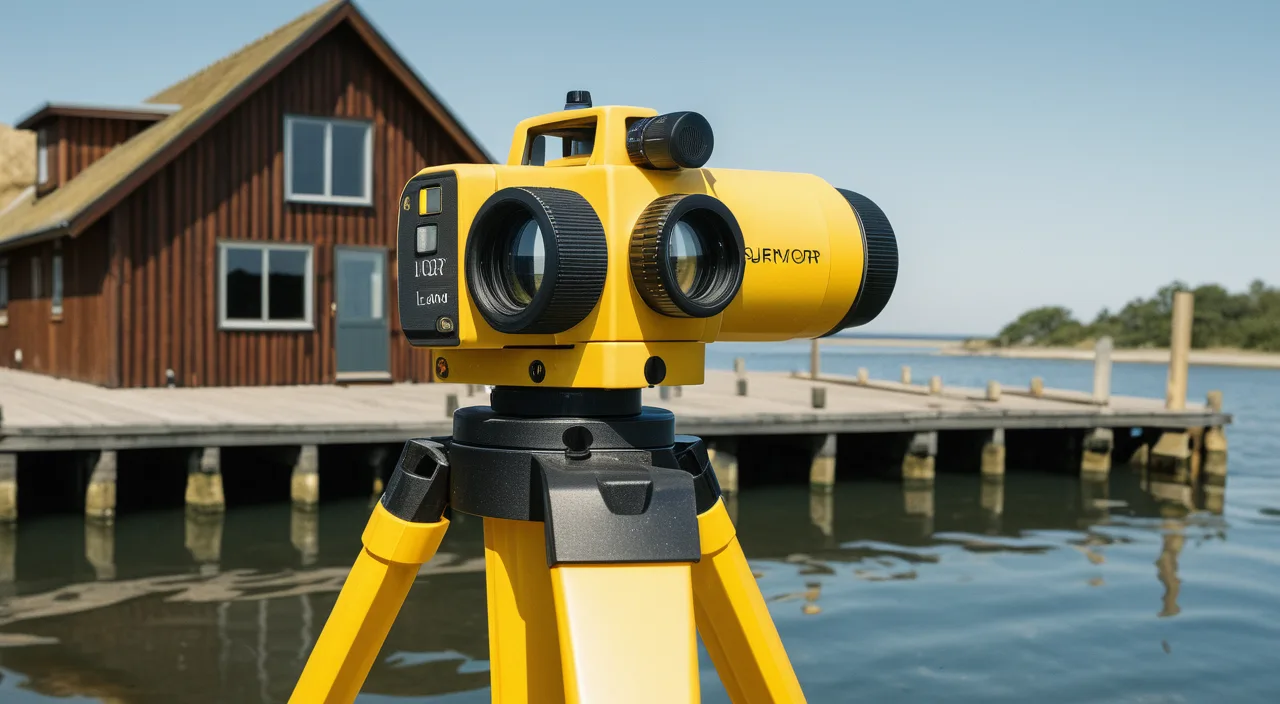
Under Risk Rating 2.0 you no longer need an Elevation Certificate to buy NFIP flood insurance, but getting one can still cut your premium. FEMA now uses its own elevation data to rate every property. If that model assumes your structure sits lower than it really does, an EC is the document that corrects the record, and FEMA does not raise your premium retroactively because of one. Low risk, real upside.
What changed under Risk Rating 2.0
Before Risk Rating 2.0, an Elevation Certificate was effectively the price of admission for rating a home in a high-risk zone: a surveyor documented your lowest floor against the Base Flood Elevation, and the policy was priced from that sheet. Under RR 2.0, FEMA rates every structure with its own modeled elevation data, so the certificate is no longer required to purchase a policy (FEMA, Risk Rating 2.0 guidance). That is the headline most articles stop at, and it is only half the story.
Why an EC can still pay for itself
FEMA's model is a model. It does not stand in your crawl space with a level. If your home sits higher than the model assumes, on fill, on a raised foundation, on a lot that drains better than the block average, you are quietly overpaying every year, and the EC is the instrument that proves it. The mechanics work strictly in your favor:
- If the EC shows you are higher than modeled: submit it to your agent; the premium can come down. Elevation remains the strongest single rating lever under RR 2.0: FEMA notes that sitting 1 ft above Base Flood Elevation can mean roughly a 30% lower annual premium, and policies earning elevation credits have multiplied since the system changed.
- If the EC shows you are lower than modeled: FEMA does not retroactively raise your existing premium because you submitted one. The downside is capped; the upside is annual and permanent.
How much does an Elevation Certificate cost?
There is no single national price for an Elevation Certificate: a licensed land surveyor, engineer or architect sets the fee locally. Published fees are rare; one Louisiana survey firm lists residential certificates from $300, with outlying lots and extra structures priced higher. Before paying anyone, ask your floodplain manager whether one is already on file.
That last step is the cheapest one. The Association of State Floodplain Managers tells homeowners to start with the local floodplain manager, because there may already be a certificate on file for the property; sellers, builders and the deed file can hold one too. If nobody has one, you hire a professional who is authorized to certify elevations. For a sense of scale, Richmond W. Krebs & Associates in Denham Springs, Louisiana, publishes pricing that starts at $300 for residential structures, with outlying properties and additional structures priced slightly higher. That is one firm's floor, not a national average. The national averages quoted online come from cost-estimate sites we could not trace to a primary source, so we do not repeat them. Get two local quotes and set the fee against what you pay for flood insurance each year.
When to bother, and when not to
Skip the certificate if your premium is already modest, or your home is visibly at street grade in a moderate zone; the survey fee would chase small money. Order one when any of these is true: your structure is noticeably raised (piers, fill, elevated mechanicals) but your premium does not reflect it; you completed an elevation or vent retrofit and want the rating to catch up; you are budgeting a retrofit and need the before/after picture the payback math depends on; or you are selling, since a favorable EC transfers useful information to the buyer's insurer.
How it fits the bigger premium picture
The EC is documentation, not mitigation: it cannot lower your risk, only correct your rating. The levers that actually move both are the ones across this site, elevation (the strongest, with that ~30%-per-foot rating effect), flood openings, and equipment relocation, with community-level CRS discounts reaching up to 45% where your town participates, and deductible adjustments trimming 10–25% for those who can carry the higher retention. The full stack is on lowering your flood premium.
The honest bottom line
An Elevation Certificate stopped being mandatory and became tactical. It is the cheapest way to challenge a model that might be wrong about your house in the expensive direction, with no retroactive penalty if it is not. Confirm current pricing with a local licensed surveyor, fees vary too much by region for one honest number, and weigh it against your current annual premium with the payback estimator.
Frequently asked
Do I need an Elevation Certificate to buy flood insurance?
Can an Elevation Certificate lower my premium?
Can an Elevation Certificate raise my premium?
How much does an Elevation Certificate cost?
Who issues an Elevation Certificate?
Is an EC the same as mitigation?
Estimate your real number
Run your mitigation cost, current premium and flood-risk status through the Payback Estimator: net cost after grants, lower insurance, and the payback in years.