Flood Vents Cost: Smart Vents, Wet Floodproofing & NFIP Rules
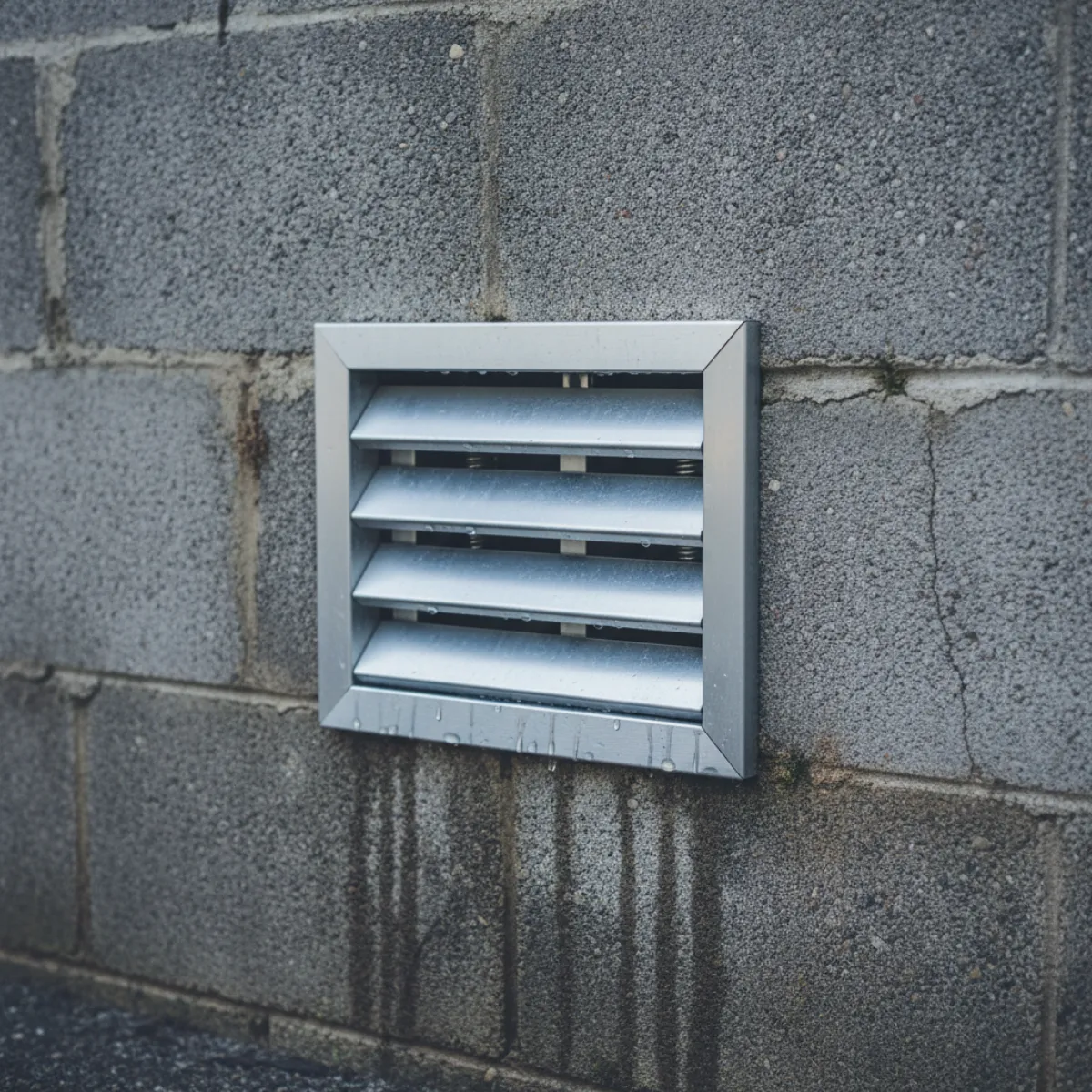
Engineered flood vents cost about $215 each, and NFIP requires at least 2 per enclosure, so a whole-home installation typically runs $1,500 to $5,000 with labor. Flood vents are the core of wet floodproofing, the NFIP-compliant approach for residences, and they can also lower your flood-insurance premium.
Flood vents are the most affordable serious flood-mitigation measure for a home. They are also one of the most misunderstood, because they work by letting water in rather than keeping it out. This guide covers what they cost, how many you need, and why they, not dry floodproofing, are the right path for a house.
How much do flood vents cost?
Pricing has two parts: the vents themselves and the installation. An engineered flood vent runs about $215 each. Once you add labor and the number of openings a typical home needs, a complete installation usually lands between $1,500 and $5,000.
| Item | Cost |
|---|---|
| Engineered flood vent (each) | ~$215 |
| NFIP minimum per enclosure | 2 vents |
| Whole-home installed (typical) | $1,500–$5,000 |
Compared with a $20,000 to $80,000 home elevation, vents are a fraction of the cost. They do less for your premium than elevation, but they are often the most sensible first measure for an enclosed crawl space or garage.
How many flood vents do I need?
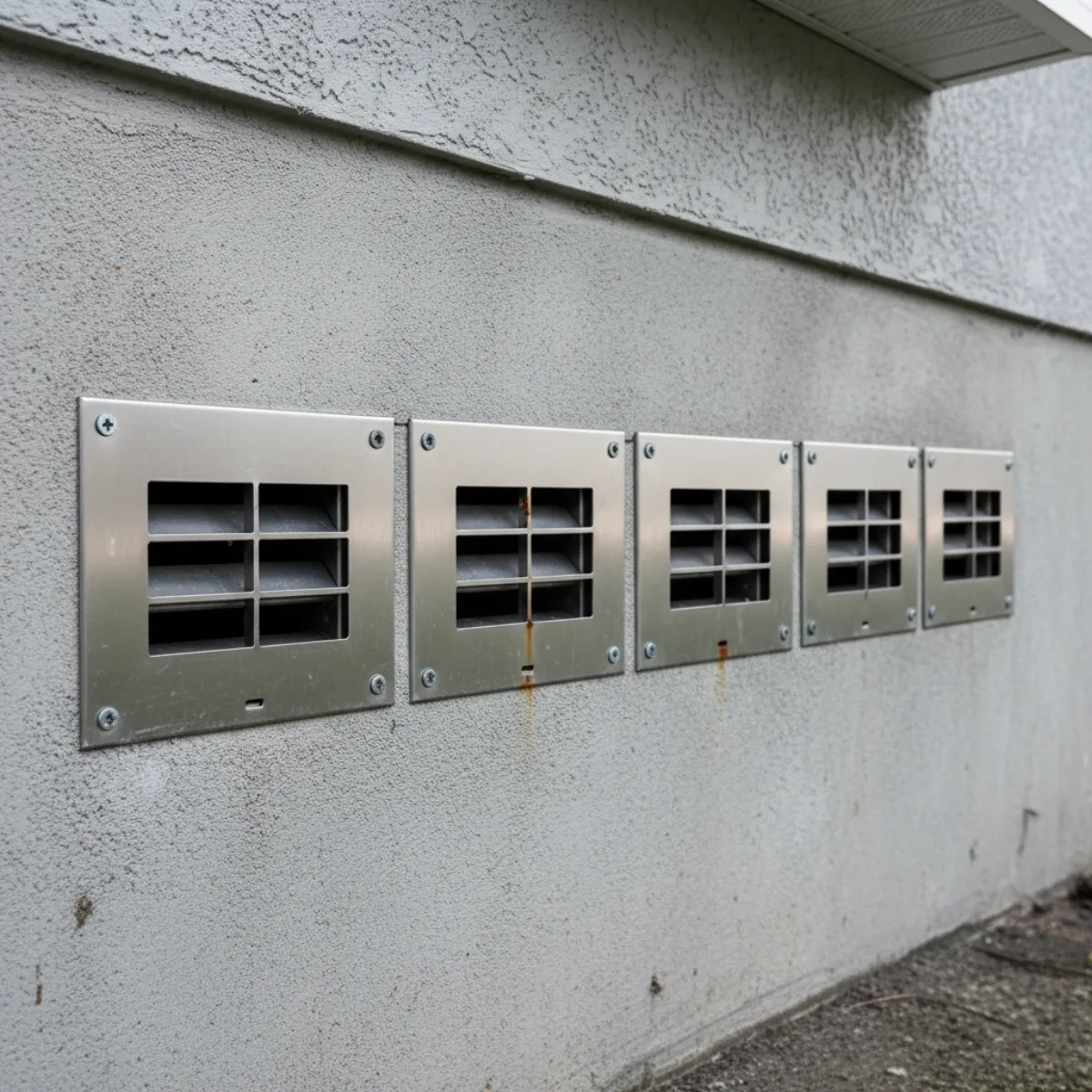
NFIP sets a minimum of 2 openings per enclosed area, on at least two different walls, to allow water to flow through and equalize. The technical standard is based on the enclosed square footage, so a larger crawl space or attached garage needs more vent capacity. Engineered vents are rated for a specific coverage area, which is why the count and the total cost rise with the size of the enclosure.
What is the difference between wet and dry floodproofing?
Wet floodproofing accepts that water will enter an uninhabited part of the structure, like a crawl space or garage, and manages it so the building is not damaged. Flood vents are its central tool, alongside flood-resistant materials and elevated utilities. Dry floodproofing instead seals a structure to keep water out entirely.
Do flood vents lower flood insurance?
They can. Proper flood openings reduce the structural risk your premium is rated on under Risk Rating 2.0, so they are one of the credited mitigation measures. The effect is smaller than elevating the whole home, but it comes at a far lower cost. For the complete list of premium levers, see how to lower your flood insurance.
Where vents fit in the bigger plan
Vents pair naturally with other low-cost measures. Many homeowners combine them with a backwater valve and sump pump to handle both rising floodwater and sewer backup. To see how a vent installation affects your net cost and payback once insurance savings are counted, run it through the Payback Estimator.
Frequently asked
How much do flood vents cost?
How many flood vents do I need?
What is the difference between wet and dry floodproofing?
Do flood vents lower flood insurance?
Do flood vents need to be engineered?
Estimate your real number
Run your mitigation cost, current premium and flood-risk status through the Payback Estimator: net cost after grants, lower insurance, and the payback in years.