Basement Flood Prevention Cost: Backwater Valves & Sump Pumps
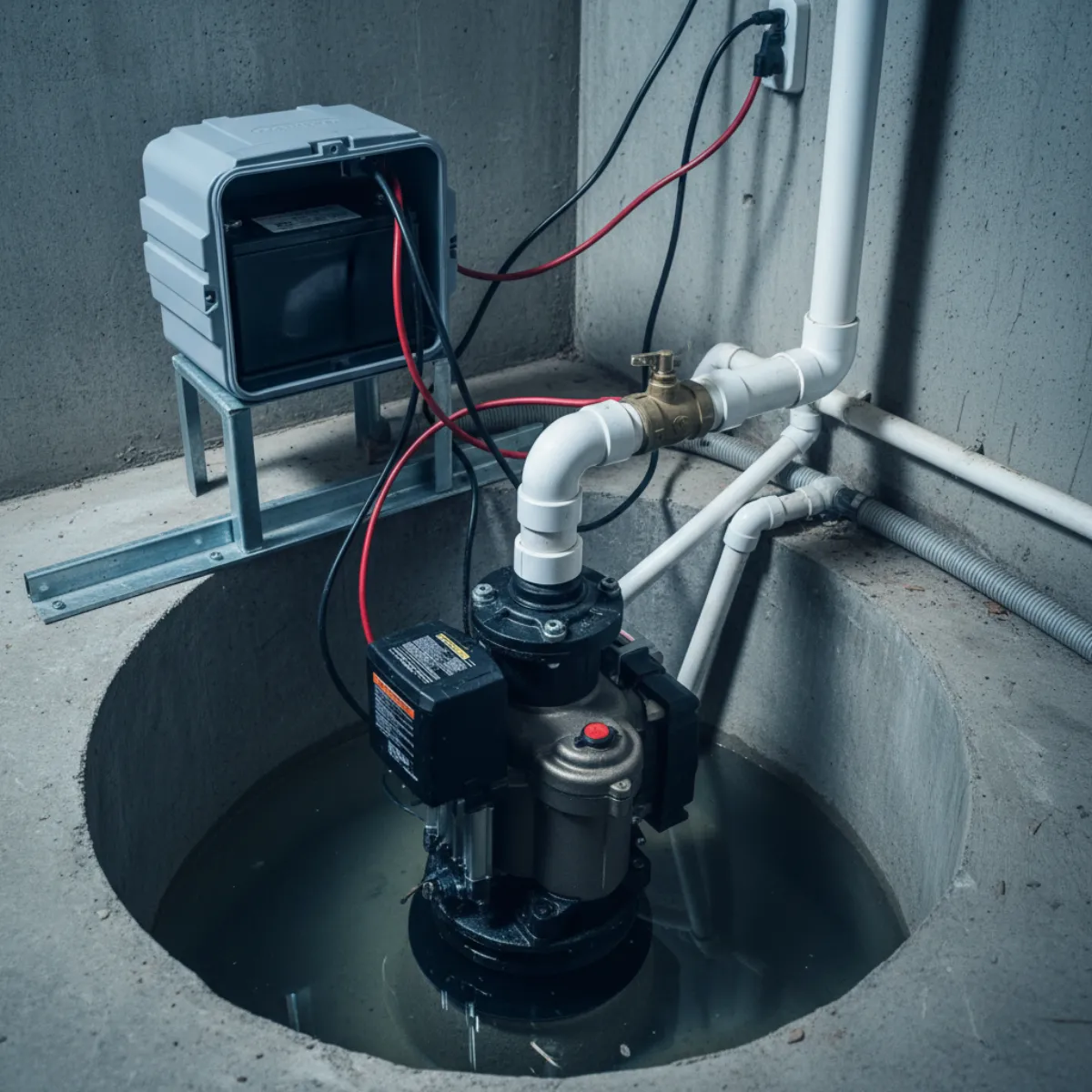
Basement flood prevention is the most affordable mitigation tier. A backwater valve runs $300 to $800 installed, a battery-backup sump pump $500 to $1,200, and an interior drainage system $3,000 to $12,000. These measures handle sewer backup and groundwater well, though they do less for your flood-insurance premium than elevation.
Not every flood problem needs a six-figure solution. For sewer backup, groundwater, and nuisance water, a handful of lower-cost devices do the job. This guide covers what each one costs, what it protects against, and where it fits relative to bigger measures like elevation.
How much does a backwater valve cost?
A backwater valve installs on your main sewer line and closes automatically when flow reverses, stopping sewage from backing up into the house during a flood or surcharge. Installed cost typically runs $300 to $800 for a straightforward job. Complex sewer configurations or difficult access raise the figure, so a plumber's assessment of your line matters.
| Measure | Installed cost | Protects against |
|---|---|---|
| Backwater valve | $300–$800 | Sewer backup |
| Sump pump (battery backup) | $500–$1,200 | Groundwater, seepage |
| Interior drainage system | $3,000–$12,000 | Chronic seepage, high water table |
How much does a sump pump installation cost?
A sump pump collects water in a pit and pumps it away from the foundation. A standard unit is inexpensive, but the version worth buying for flood protection includes a battery backup so it keeps running during the power outages that often accompany floods. That runs $500 to $1,200 installed. A DIY materials kit, including the pump, pit liner, piping, and check valve, runs roughly $300 to $800 if you do the labor.
What about interior drainage?
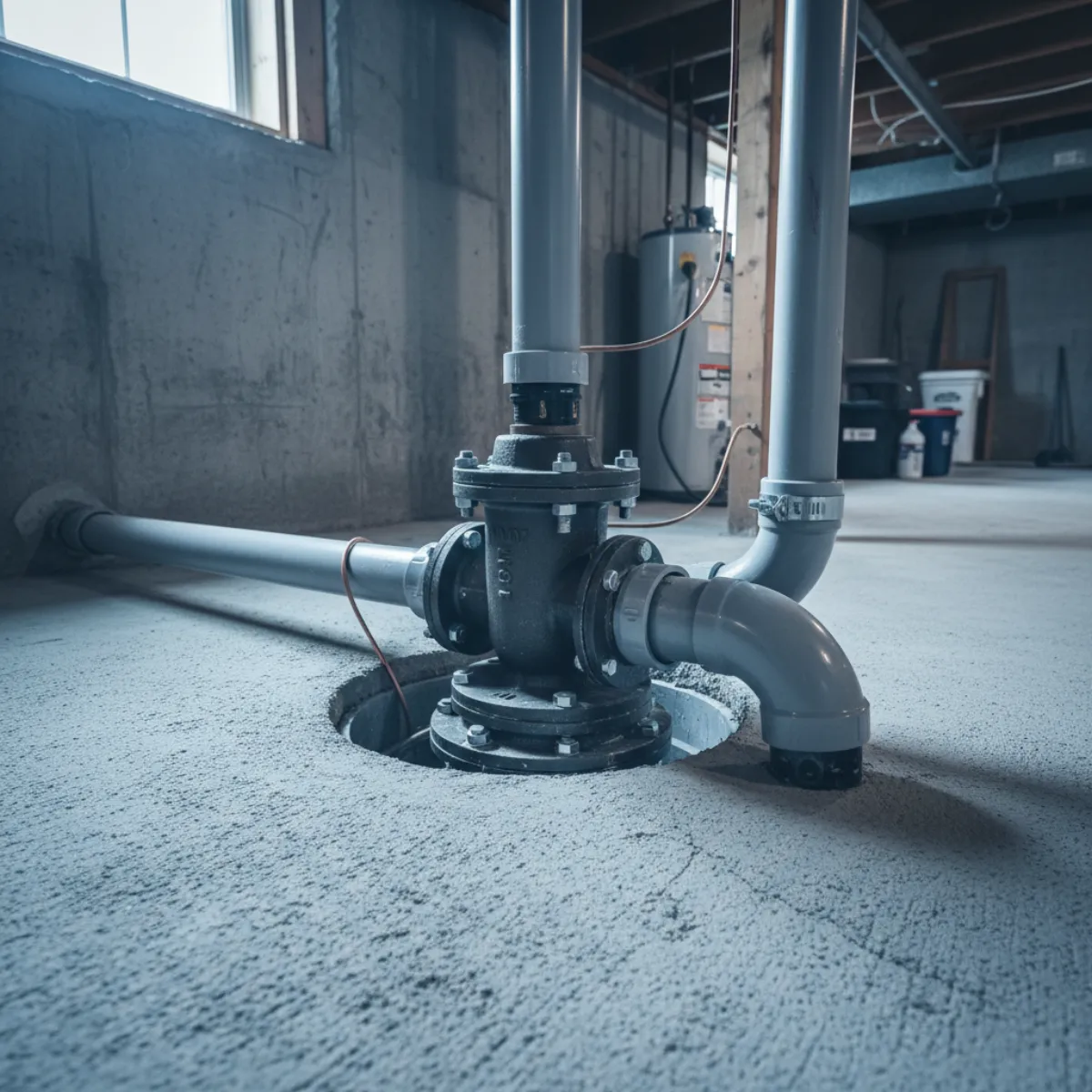
For homes with chronic seepage or a high water table, an interior drainage system channels water to the sump pit around the inside perimeter of the foundation. It is the most expensive of these measures at $3,000 to $12,000, but far below elevation, and it targets a different problem: persistent groundwater rather than a rising flood. It is part of managing water, not NFIP-compliant floodproofing.
Do these lower flood insurance?
Less than structural measures. Backwater valves, sump pumps, and interior drainage protect against damage, especially the sewer backup and seepage that standard flood policies may not fully address, but they do not move your premium the way elevating the home or adding flood vents does. Treat them as damage prevention first and premium strategy second. For the levers that actually cut your premium, see how to lower your flood insurance.
Where these fit in the plan
These measures pair well with vents and elevated utilities as part of a layered approach. To see how a drainage package compares with bigger measures on net cost and payback, run the numbers through the Payback Estimator, and weigh the whole decision in is flood mitigation worth it.
Frequently asked
How much does a backwater valve cost?
How much does a sump pump installation cost?
Do these lower flood insurance?
What is the cheapest basement flood prevention?
Estimate your real number
Run your mitigation cost, current premium and flood-risk status through the Payback Estimator: net cost after grants, lower insurance, and the payback in years.