Is Flood Mitigation Worth It? Payback, ROI & the Real Numbers
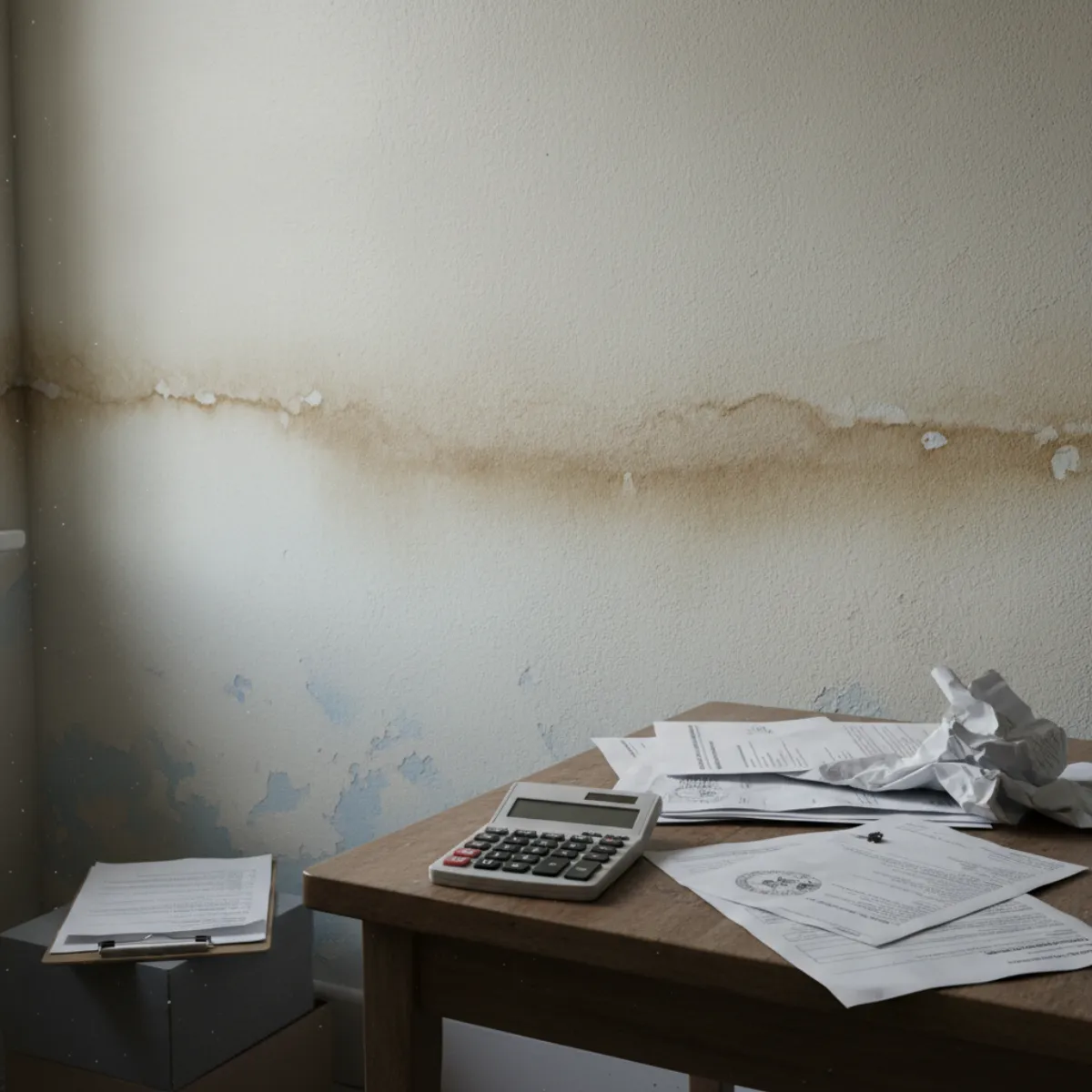
Flood mitigation is usually worth it for homes with real flood exposure. One inch of water can cause up to $25,000 in damage, the average flood claim is about $52,000, and national studies put the return at roughly $6 saved per $1 spent, higher for riverine flooding. Grants and lower insurance shorten the payback further.
"Worth it" is a math question, not a slogan. The answer depends on how exposed your home is, how much a measure costs after grants, and how much it saves on insurance and avoided damage. This page lays out the numbers so you can make the call on evidence rather than fear, and points you to the tool that runs your own figures.
Is flood mitigation worth the cost?
For a property with genuine flood risk, the case is strong. Mitigation works on three levers at once: it prevents damage, it lowers your flood-insurance premium, and it can be funded largely by FEMA grants. The weakest case is a low-risk home where an expensive retrofit buys little, which is exactly why you should run the specific numbers rather than assume.
$52,000Average National Flood Insurance Program claim, 2016 to 2020. A single serious flood can cost more than many full mitigation projects.
How much damage does a flood actually cause?
The damage numbers are what make mitigation pencil out. Just one inch of water inside a home can cause up to $25,000 in damage once you account for flooring, drywall, and mechanical systems. Deeper water rises quickly into the tens of thousands. Against that exposure, measures like flood vents at $1,500 to $5,000 or a backwater valve and sump pump for a few thousand dollars can prevent losses many times their cost.

What is the ROI of flood mitigation?
The most cited figure comes from the National Institute of Building Sciences, which found that mitigation funded by federal grants saves society about $6 for every $1 invested. That is an overall average across hazards, so attribute it carefully.
- About $6 per $1 is the overall federal-grant average across all hazards.
- Around $7 per $1 is the figure for riverine flooding, driven largely by property acquisition and demolition.
- Up to $13 per $1 appears in some scenarios in the newer NIBS analysis.
What is the payback period for floodproofing?
Payback is the part you can calculate for your own home. It is the out-of-pocket cost after any FEMA grant cost-share, divided by the annual premium reduction plus avoided-damage value. Two things shorten it dramatically:
- Grant cost-share of 75% to 100% cuts the upfront number you have to recover. See FEMA flood mitigation grants.
- Premium reduction of about 30% per foot of elevation, plus other credits, gives you a recurring annual return. See how to lower your flood insurance.
When a grant covers most of the cost and your premium drops every year, the payback on a serious retrofit can be short. The cleanest way to see your own number is the Payback Estimator, which combines mitigation cost, grant cost-share, premium reduction, and ICC eligibility into a single estimate.
When is mitigation not worth it?
Honesty cuts both ways. If your home sits well above BFE, rarely floods, and carries a modest premium, a six-figure elevation may never pay back. In that case the lower-cost measures, vents and drainage, are the rational spend. The point of mitigation is to match the investment to the risk, not to spend the most.
Frequently asked
Is flood mitigation worth the cost?
What is the payback period for floodproofing?
How much damage does 1 inch of water cause?
What is the average flood insurance claim?
What is the ROI of flood mitigation?
Estimate your real number
Run your mitigation cost, current premium and flood-risk status through the Payback Estimator: net cost after grants, lower insurance, and the payback in years.