Dry vs Wet Floodproofing: Cost, Difference & What Works for Homes
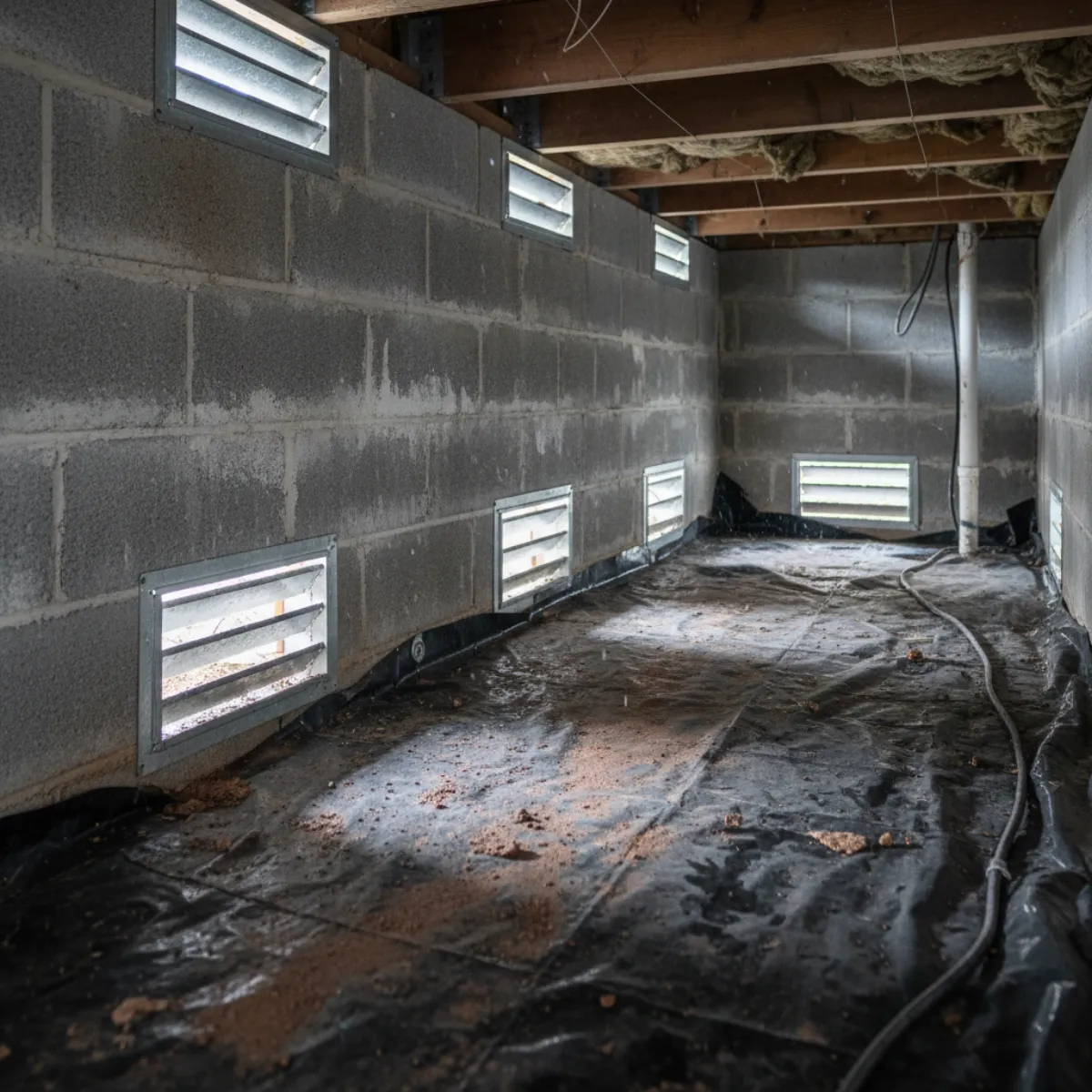
Dry floodproofing seals a building to keep water out; wet floodproofing lets water flow through an uninhabited space and manages it with vents and flood-resistant materials. For homes, the difference is decisive: under NFIP, dry floodproofing is a compliance path for non-residential buildings, so residences use wet floodproofing, elevation, or relocation, except floodproofed basements in a few FEMA-approved communities.
These two strategies sound interchangeable, but choosing the wrong one for a house can leave you out of compliance and still exposed. This guide explains how each works, what each costs, and the rule that decides which one applies to your property.
What is the difference between dry and wet floodproofing?
The split is about whether water is kept out or allowed in.
- Dry floodproofing makes a structure watertight below the flood level using sealants, waterproof membranes, shields over openings, and reinforced walls. The goal is zero water intrusion.
- Wet floodproofing accepts water into parts of the structure that are not living space, such as a crawl space or garage, and minimizes damage with flood vents, flood-resistant materials, and elevated mechanical systems.
Wet floodproofing works with the flood by equalizing pressure, which is why it suits enclosures under a home. Dry floodproofing fights the flood, which puts heavy structural load on walls and works best on smaller commercial buildings.

Can a house use dry floodproofing?
Not for NFIP compliance, with one narrow exception. This is the single most important point on this page.
You may still see dry-floodproofing products marketed to homeowners. They can reduce nuisance water, but they will not satisfy NFIP requirements or earn the premium treatment that compliant measures do. For a house, your money is better directed at elevation or flood vents.
Which is cheaper, dry or wet floodproofing?
For a home, wet floodproofing is both cheaper and, outside the few basement-exception communities, the only compliant option of the two. A whole-home flood vent installation runs roughly $1,500 to $5,000, far below the cost of sealing a structure watertight. Dry floodproofing costs vary widely with the building and the deployable shields involved, and it is a commercial measure, so a direct residential price comparison is not meaningful.
Which should you choose?
If you own a home in a flood zone, the practical hierarchy is elevation for the strongest protection and premium reduction, wet floodproofing with vents as the affordable compliant measure, and drainage tools for nuisance water. Dry floodproofing belongs to non-residential buildings, apart from engineered basements in the few communities FEMA allows them. To weigh the options by net cost and payback, run them through the Payback Estimator, and check funding in FEMA flood mitigation grants.
Frequently asked
What is the difference between dry and wet floodproofing?
Can a house use dry floodproofing?
Which is cheaper, dry or wet floodproofing?
Is dry floodproofing allowed under NFIP?
Estimate your real number
Run your mitigation cost, current premium and flood-risk status through the Payback Estimator: net cost after grants, lower insurance, and the payback in years.